


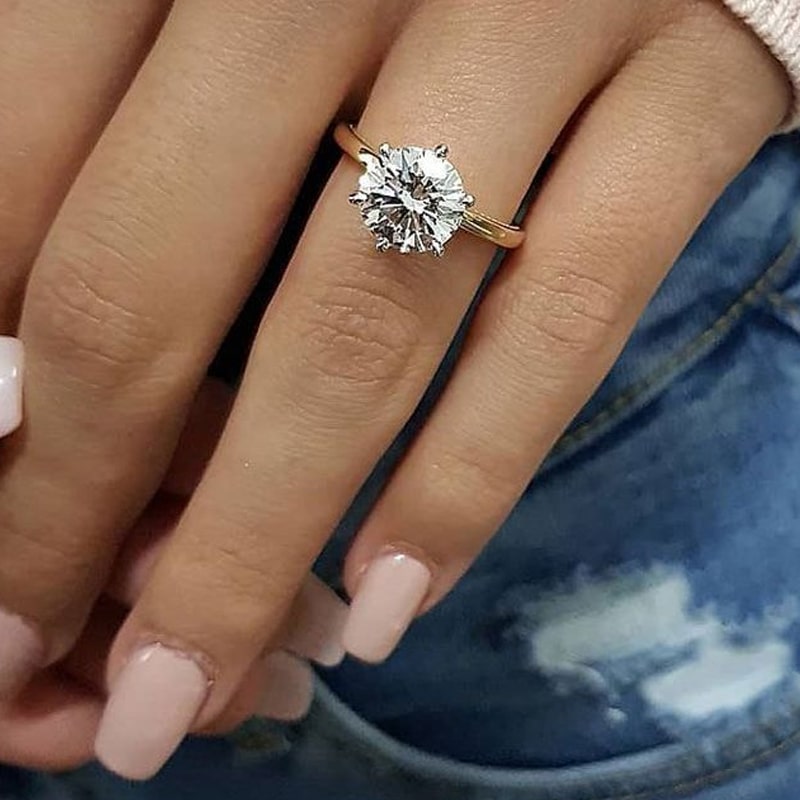
When was the last time you looked at a piece of jewelry and thought, “wow, that’s actually kind of futuristic”? Probably not often. But here’s the twist—diamonds grown in a lab are exactly that. They’re high-tech, eco-friendlier, and honestly, kind of cool. And the best lab grown diamonds? They’re almost impossible to tell apart from the natural ones.
Diamonds With a Backstory (Finally)
Think about it. For decades, diamonds were marketed as symbols of love, wealth, forever, blah blah. But the story was always the same. Expensive. Rare. Mined out of the earth with a questionable trail behind them.
Now, enter lab made diamonds. These stones have a different narrative. They don’t come from deep underground mines. They come from science, from machines that literally mimic how the earth forms diamonds. To me, that’s fascinating. It’s like pairing romance with innovation.
And let’s be real: when was the last time a piece of jewelry felt modern? Most of us inherit rings or buy what’s “classic.” But lab grown diamonds? They feel like they belong in today’s world, where sustainability and ethics actually matter.
So, What’s Trending?
If you’ve been window shopping lately (or scrolling online at 2 a.m., let’s be honest), you’ve probably noticed a shift. People are leaning toward cleaner, sleeker designs—and lab grown fits right in. Here are a few trends I’ve spotted:
Bigger stones without guilt – A two-carat mined diamond might break the bank, but a two-carat lab made diamond? Way more affordable.
Custom everything – Couples are getting rings designed from scratch because, why not? If you can afford to size up the stone, you can afford to personalize the band.
Eco bragging rights – It sounds funny, but people do mention it. Saying your diamond is lab grown feels like telling someone your car is electric. A subtle flex.
Fancy colors – Yellows, blues, pinks… all possible in the lab, without needing to mortgage your future.
The best part? You don’t feel like you’re compromising. The sparkle’s the same. The romance is the same. The price tag just hurts less.
Why Here, Why Now
Here’s an interesting thought: the way we shop for jewelry depends a lot on where we are. In big cities, people are quicker to embrace trends. They want new. They want ethical. They want the story behind the stone.
And to be fair, it makes sense. Urban buyers have more access to information, and they care about how their purchases align with their values. Compare that with older traditions in smaller towns where mined diamonds still carry that “status” symbol.
Honestly, I think it’s refreshing. Jewelry should feel personal, not like you’re checking off a box society handed you decades ago. And lab made diamonds? They give you that freedom to choose something that aligns with today’s values, not yesterday’s.
But How Do They Even Work?
Good question. And no, it’s not just a “poof—diamond!” kind of magic.
Here’s the casual breakdown:
Seed crystal – Everything starts with a tiny sliver of diamond (kind of like how plants grow from seeds).
Crazy high heat and pressure – Scientists either mimic the earth’s natural conditions (that’s HPHT: High Pressure, High Temperature) or use plasma and carbon gas (CVD: Chemical Vapor Deposition).
Growth time – Over a few weeks, carbon layers stack up on that seed until… bam, you’ve got a diamond.
Cut and polish – Just like mined diamonds, they get shaped, faceted, and polished until they sparkle like crazy.
What I love about this process is how it feels like a mix of science fiction and art. You’re literally growing beauty out of thin air and pressure. Kind of poetic, right?
Wrapping It Up
At the end of the day, jewelry isn’t really about stones. It’s about meaning. And if the meaning for you is tied to love, commitment, or even just treating yourself, then why not make it align with your values too?
The best lab grown diamonds don’t just shine on your finger—they tell a story that feels modern and conscious. And to me, that makes them even more valuable than the “rare” ones pulled from deep underground.