


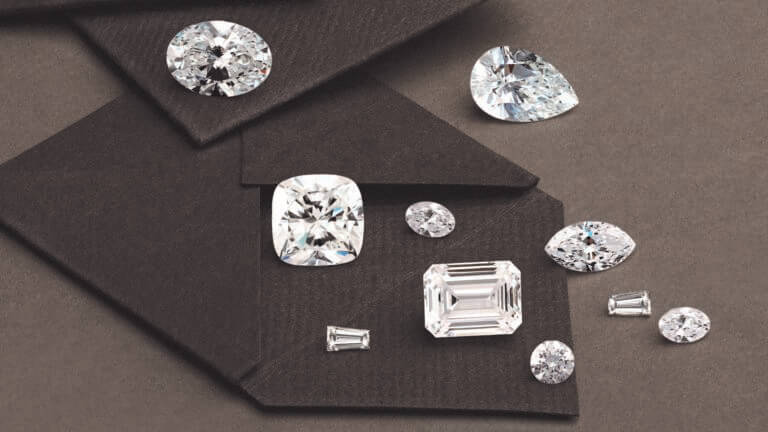
Diamonds have fascinated humanity for centuries, symbolizing love, luxury, and everlasting commitment. However, the advent of lab-grown diamonds has introduced an exciting alternative to the traditional natural diamond. As more consumers become aware of their options, understanding the differences between lab-grown and natural diamonds is essential. This article explores their origin, characteristics, cost, environmental impact, resale value, and cultural significance.
Origin and Formation
Natural Diamonds:
Natural diamonds are formed deep within the Earth’s mantle under intense heat and pressure over billions of years. This geological process produces unique, naturally occurring diamonds that have been preserved and eventually mined from the Earth’s crust. Their formation is a slow and complex process, which contributes to their rarity and value.
Lab-Grown Diamonds:
Lab-grown diamonds, also known as synthetic or man-made diamonds, are produced in laboratories through technological methods designed to mimic natural conditions. Two main techniques are used: High Pressure High Temperature (HPHT) and Chemical Vapor Deposition (CVD). These methods enable the growth of diamonds in a matter of weeks or months rather than millions of years. Despite the difference in origin, lab-grown diamonds have the same crystal structure and chemical composition as natural diamonds.
Chemical and Physical Properties
One of the most fascinating aspects of lab grown diamonds vs real diamonds is that they are chemically identical to natural diamonds. Both are composed entirely of carbon atoms arranged in a crystal lattice, which gives diamonds their renowned hardness and brilliance. Physically, lab-grown and natural diamonds exhibit the same sparkle, clarity, and durability.
To the naked eye or even with a jeweler’s loupe, distinguishing between the two is virtually impossible. However, specialized gemological equipment can identify subtle differences in growth patterns or trace impurities to tell them apart.
Cost Comparison
A significant factor influencing buyers’ decisions is the price difference. Lab-grown diamonds typically cost between 20% to 40% less than natural diamonds of comparable size and quality. This price difference arises because lab-grown diamonds avoid the extensive mining, transportation, and scarcity factors that drive up the cost of natural diamonds.
The affordability of lab-grown diamonds means consumers can often afford larger or higher-quality stones than they might if opting for natural diamonds within the same budget.
Environmental and Ethical Considerations
Natural Diamonds:
Mining natural diamonds has been linked to environmental challenges such as habitat disruption, water pollution, and carbon emissions. Additionally, the diamond mining industry has faced scrutiny over labor practices and “conflict diamonds,” which have been associated with funding violence in certain regions. Although international efforts have been established to combat these issues, ethical concerns persist.
Lab-Grown Diamonds:
Lab-grown diamonds are generally seen as a more sustainable and ethical choice. Their production requires far less land disturbance, produces fewer emissions, and eliminates the ethical concerns tied to conflict diamonds. Many producers also invest in renewable energy sources to minimize the environmental footprint of diamond synthesis, making man made diamonds a more eco-friendly option.
Resale Value and Investment Potential
Natural diamonds have traditionally been viewed as valuable assets that retain or even appreciate over time. Their rarity and established market make them a popular choice for investment or heirloom pieces.
Conversely, lab-grown diamonds currently have limited resale value. Since they can be produced in larger quantities and the technology to produce them continues to advance, their market value tends to depreciate. As such, lab-grown diamonds are generally purchased for personal use rather than as long-term investments.
Cultural Significance and Consumer Perception
Natural diamonds carry deep cultural and emotional significance, symbolizing enduring love and status. Their rarity, combined with their geological history, lends them an aura of uniqueness and prestige that many people cherish.
Lab-grown diamonds, while newer to the market, are rapidly gaining acceptance, particularly among younger, environmentally conscious consumers. They represent a modern, ethical alternative that aligns with contemporary values, though some may feel they lack the “romantic” history of natural diamonds.
Market Trends and Future Outlook
The lab-grown diamond market is growing swiftly worldwide. Increasing awareness about sustainability, combined with the economic advantage of lab-grown diamonds, has led to a surge in their popularity. This trend is particularly evident during festive and celebratory seasons when consumers look for meaningful but affordable jewelry.
Meanwhile, the natural diamond industry remains robust, continuing to support significant global employment and economies. However, it faces challenges due to rising competition from synthetic alternatives and changing consumer preferences.
Conclusion
Choosing between a lab-grown diamond and a natural diamond ultimately depends on personal values, budget, and priorities. Lab-grown diamonds offer a more affordable, environmentally friendly, and ethical choice, perfect for those who want a beautiful stone without the high price or ethical concerns. Natural diamonds, on the other hand, offer rarity, tradition, and potential long-term value that many find irresistible.
As the diamond industry evolves, both options provide consumers with unique benefits, making it possible to select a diamond that truly reflects their individual tastes and beliefs.